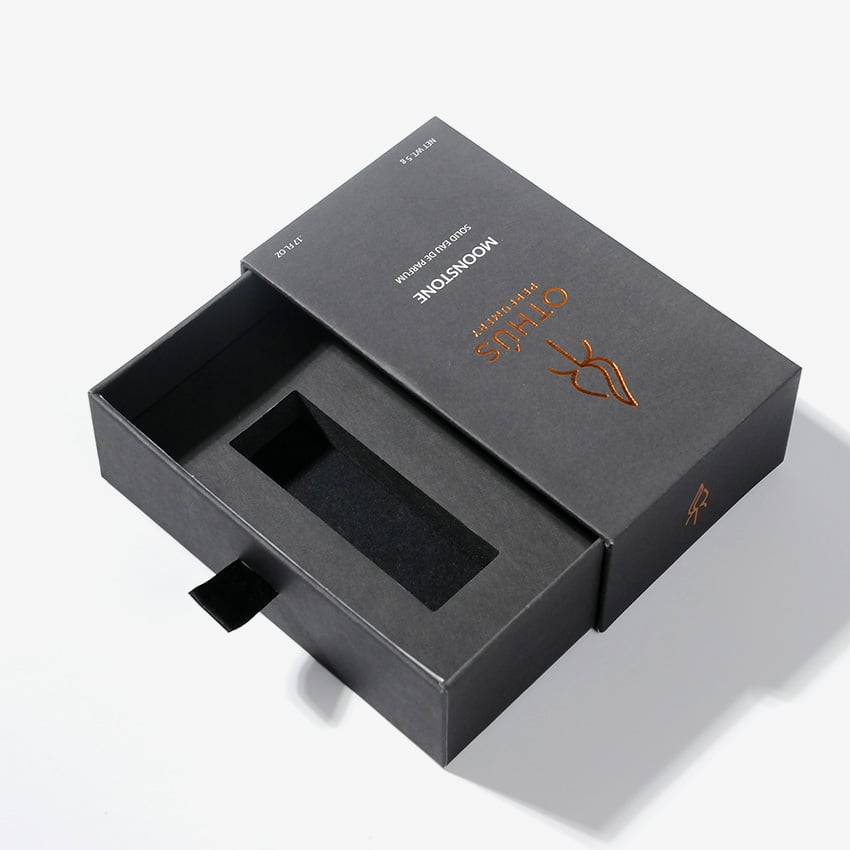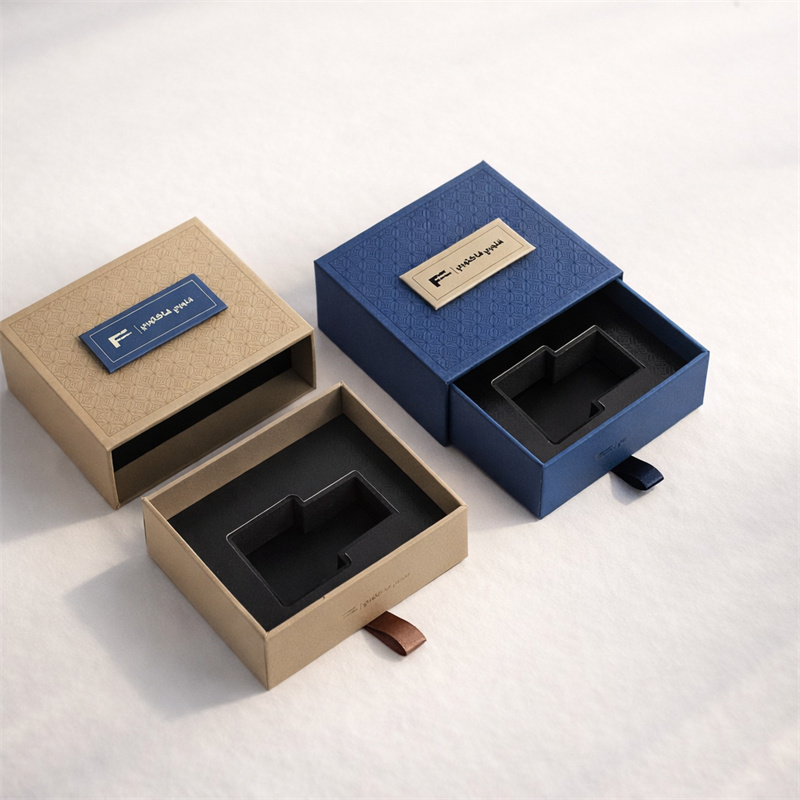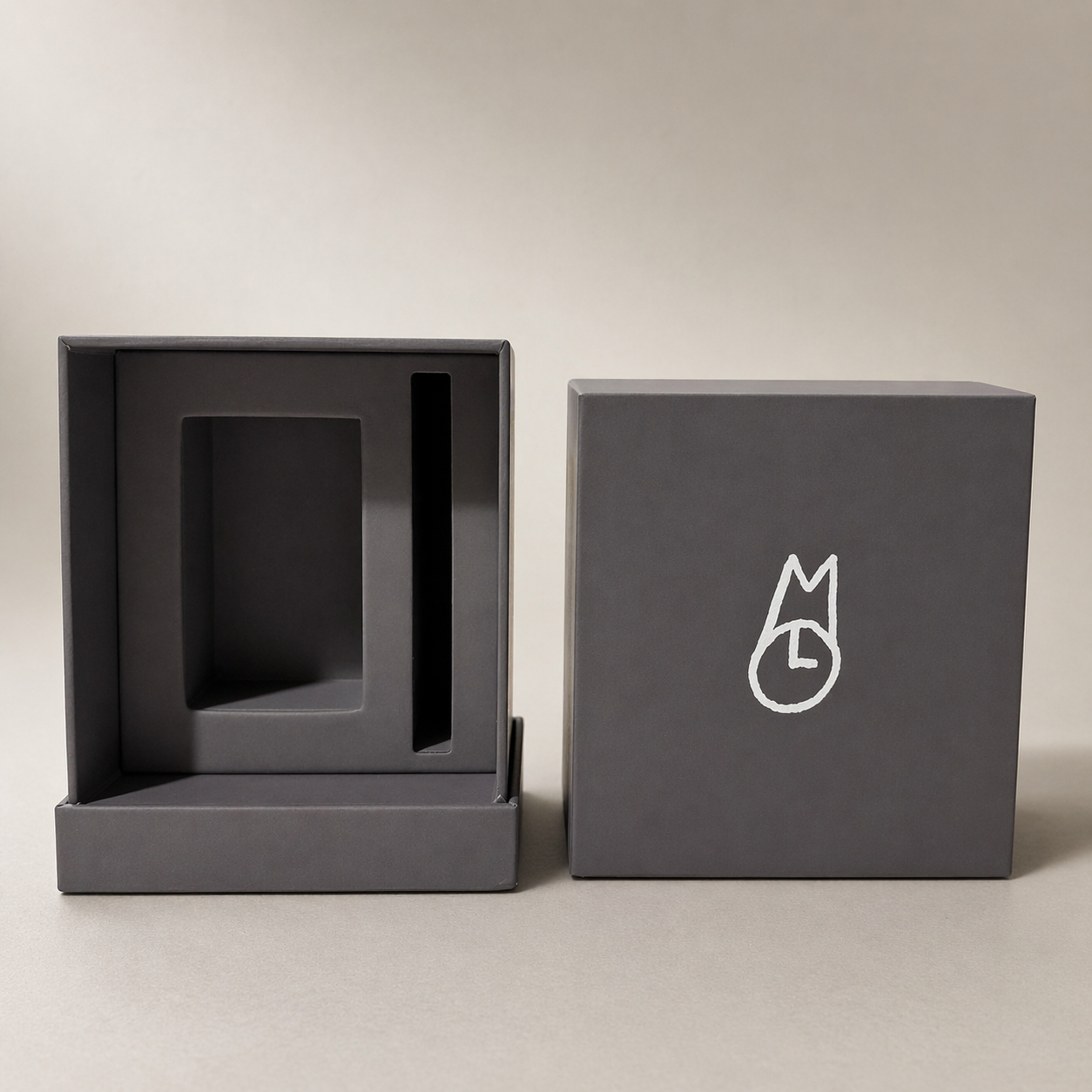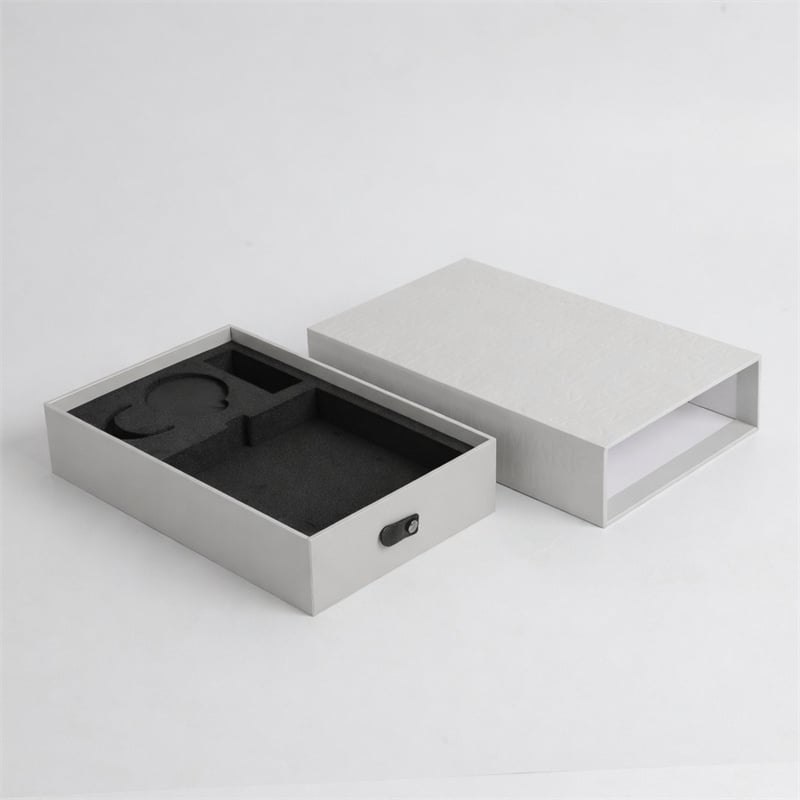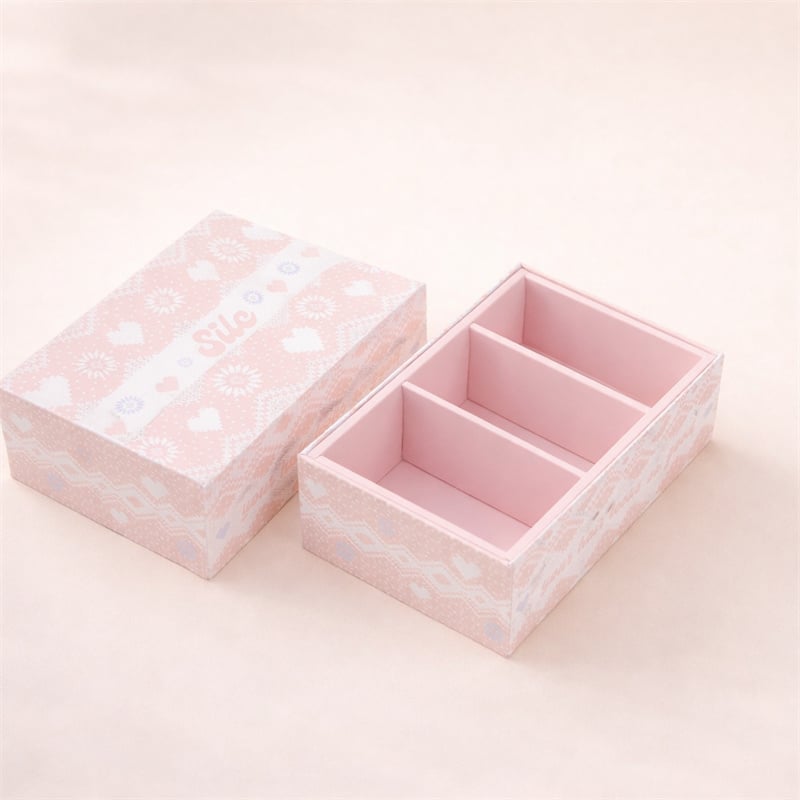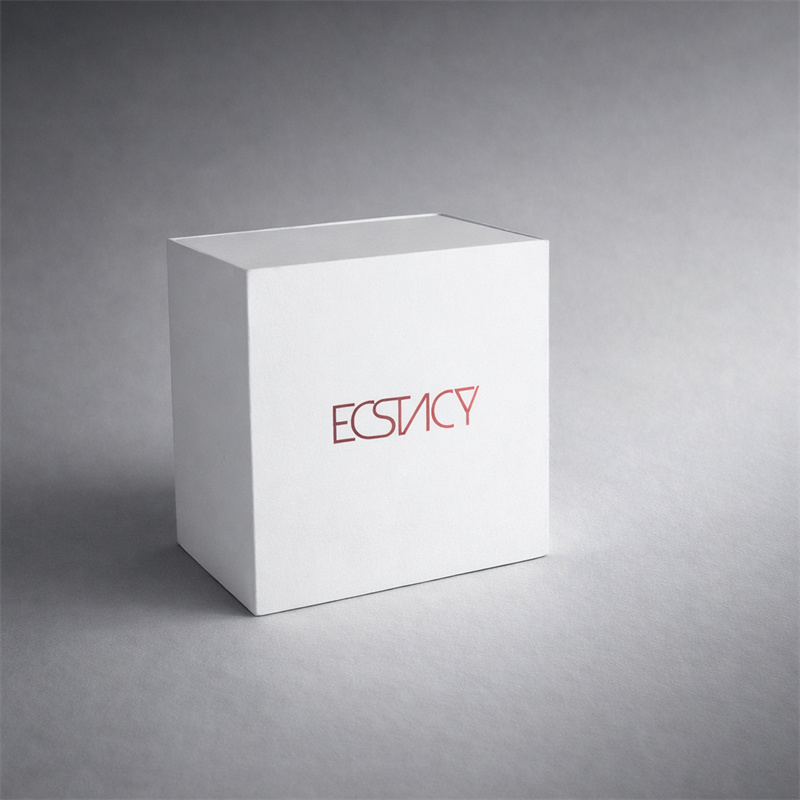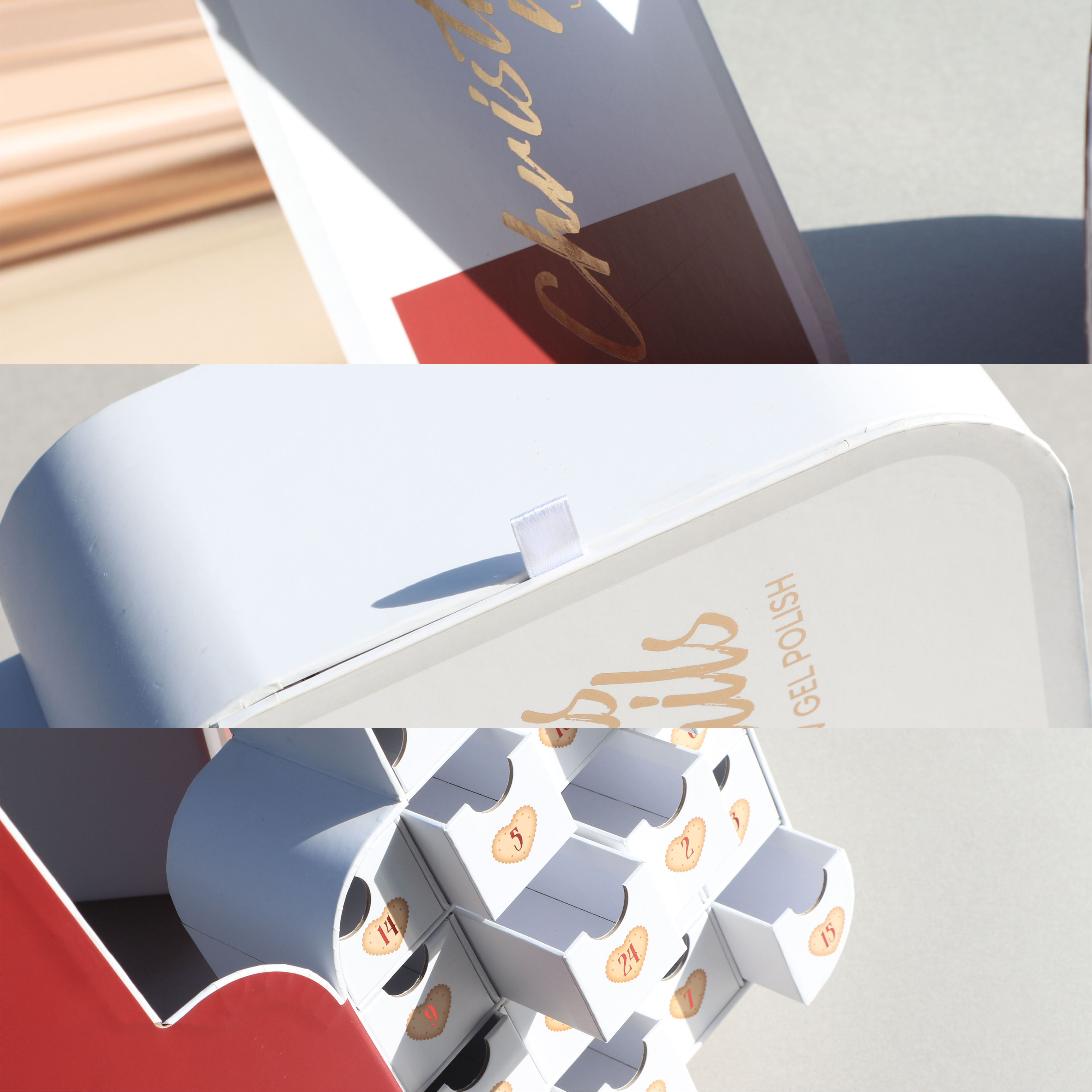
For many beauty, fragrance, and premium consumer brands, custom packaging is not simply a design exercise. It is a development process that connects concept, structure, materials, prototyping, revisions, and manufacturing execution. A packaging idea may look strong in a visual mockup, but real value comes from turning that idea into a physical solution that works consistently in both sampling and mass production.
This is especially true for luxury rigid boxes, gift-oriented packaging, and concept-driven structures. These projects require more than surface decoration. They require packaging development that balances aesthetics, usability, material performance, and production feasibility from the beginning.
Understanding how a custom packaging project moves from sampling to production helps brands make better decisions, reduce development risk, and work more efficiently with their packaging partners.
Every Custom Packaging Project Starts with a Clear Development Brief
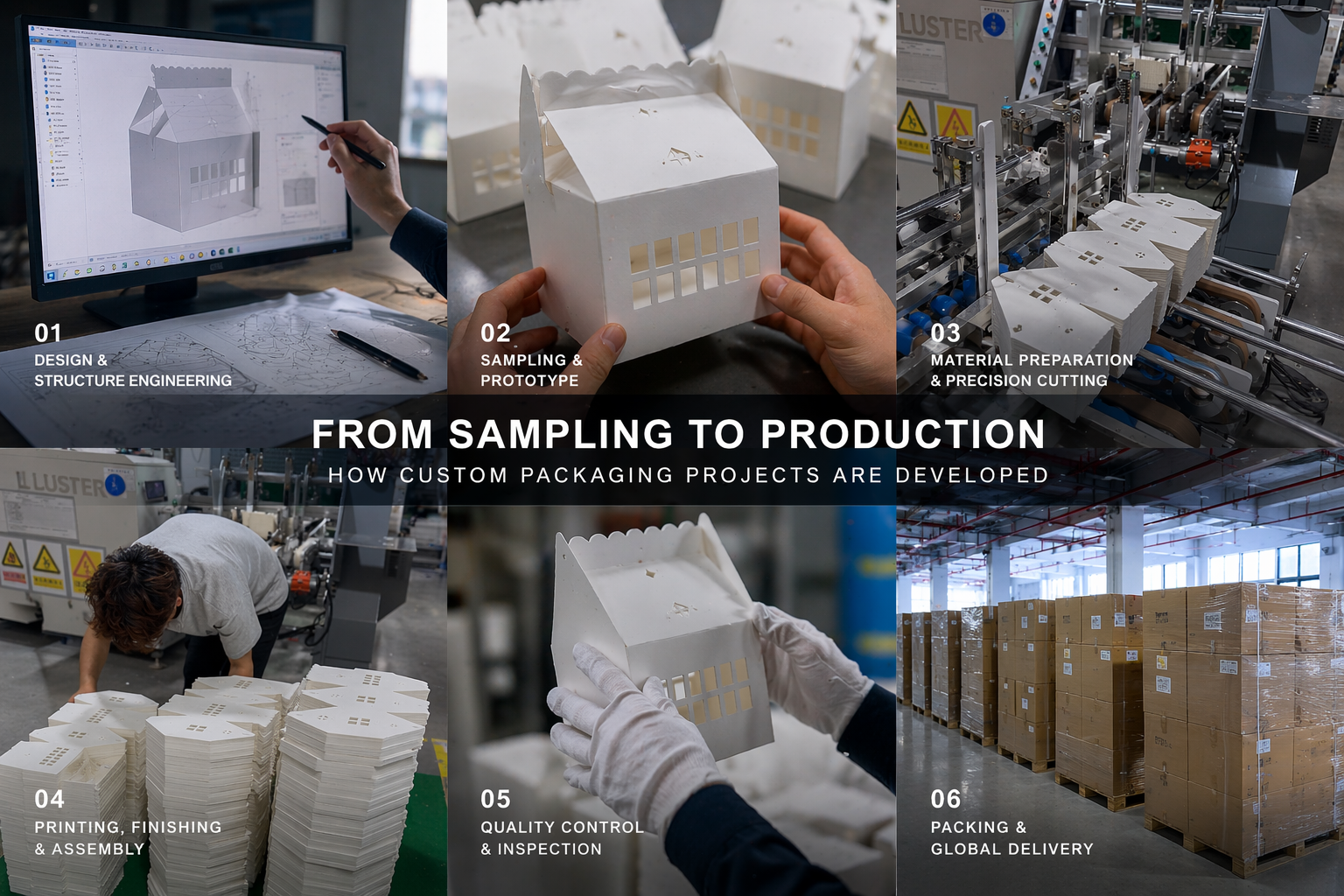
A successful packaging project usually begins with a clear and practical brief. Before sampling starts, the development team needs to understand the product, the brand position, the market, and the intended packaging direction.
At this stage, brands typically provide key information such as product dimensions, packaging style preferences, target quantity, reference images, material expectations, finishing requirements, and launch timeline. For beauty and fragrance brands, the brief may also include information about gifting purpose, shelf presentation, seasonal relevance, or unboxing expectations.
This early step is often underestimated, but it has a direct impact on the entire process. A stronger brief leads to clearer structural planning, more efficient sampling, and fewer avoidable revisions later. In custom packaging development, clarity at the beginning saves time throughout the project.
Structural Planning Comes Before Sampling
Sampling should never begin as a blind attempt to produce a physical mockup. Before a sample is made, the packaging structure needs to be considered carefully.
This includes decisions around box style, insert design, opening mechanism, product fit, protection, and user interaction. For example, a fragrance gift box may need to create a sense of ceremony when opened, while also securing the bottle properly during shipping and retail display. A book-style rigid box may need to express a concept clearly while remaining practical to assemble and repeat in production.
Structural planning is where creative intent starts to meet technical reality. It is also one of the most important stages in custom rigid box development, because strong structure affects not only appearance, but also function, material use, assembly efficiency, and final quality consistency.
Sampling Turns Ideas into Physical Packaging
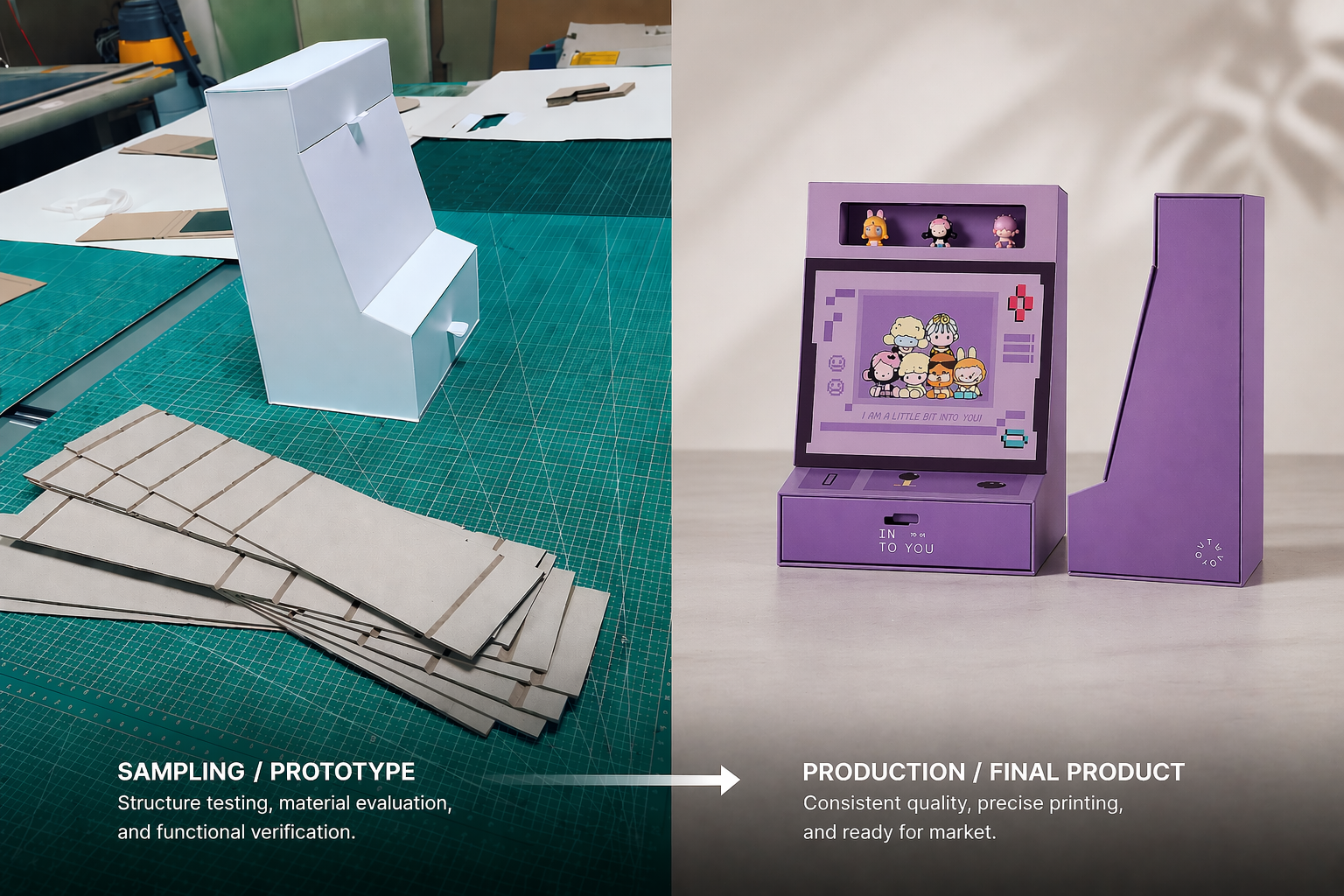
Once the structure and direction are defined, sampling begins. This is the stage where ideas move from concept into something real that can be touched, tested, reviewed, and refined.
A packaging sample serves multiple purposes. It helps verify proportions, confirm structural logic, review materials, evaluate colors and finishes, test insert fit, and assess the overall unboxing experience. For premium packaging, sampling is especially important because many details cannot be judged accurately on screen alone. A box may look balanced in artwork, but the real physical object may reveal issues in size, opening feel, layering, or material combination.
This is why sampling is not just a formality. It is a critical part of packaging development. It allows brands and packaging suppliers to identify issues early, refine the concept, and reduce risk before moving toward mass production.
Revisions Are a Normal Part of Packaging Development
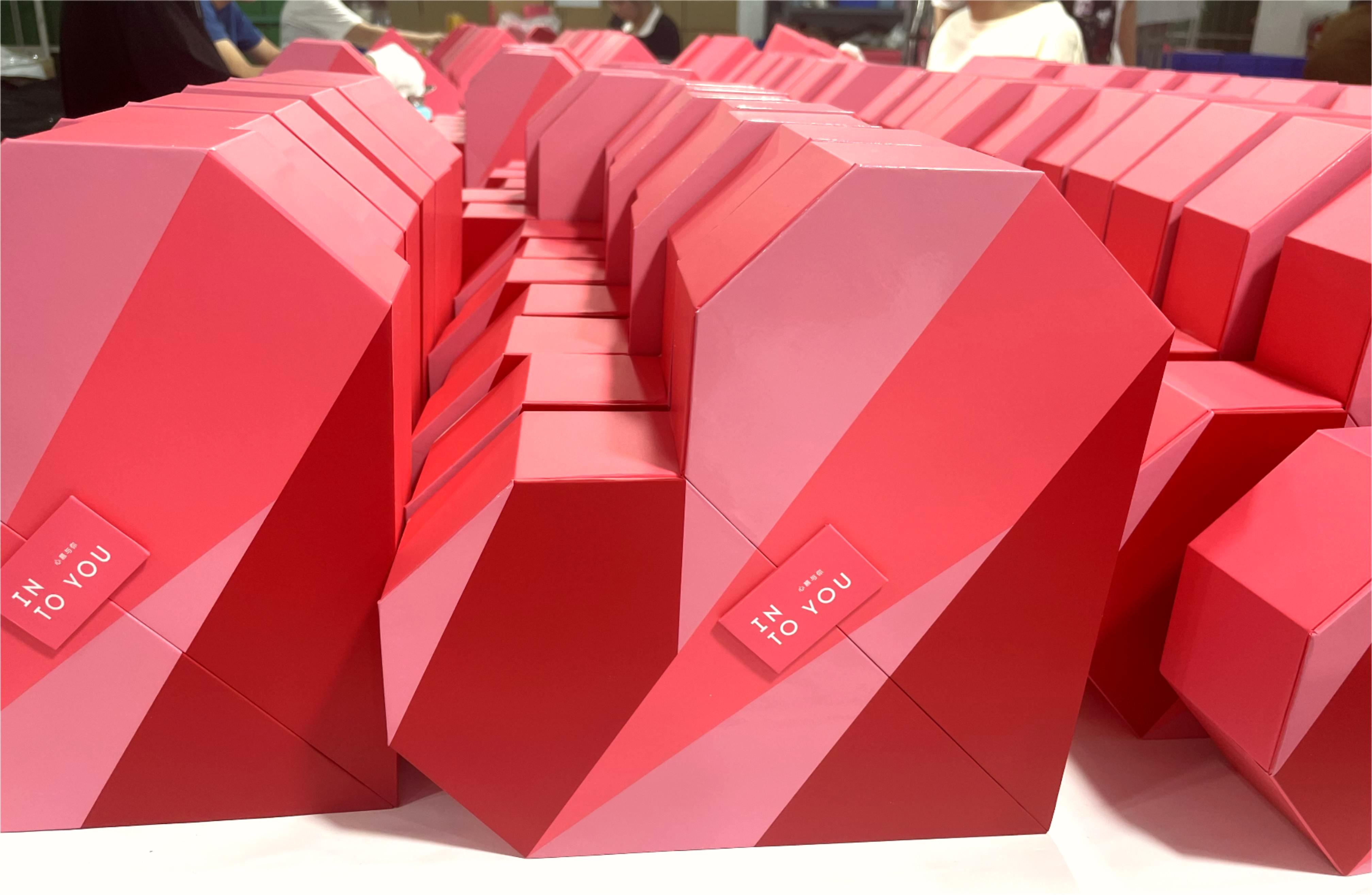
In custom packaging projects, revisions are not a sign that the process is failing. They are a normal and necessary part of getting the final solution right.
Once a physical sample is reviewed, adjustments often become clear. A structure may need stronger support. An insert may need a tighter fit. A decorative detail may need to be simplified for cleaner execution. A material that looks good visually may need to be changed for better tactile quality or production stability.
This is common in luxury packaging, especially when projects involve rigid boxes, gift sets, mixed materials, layered paper details, specialty finishes, or market-specific design concepts. Physical review often reveals details that are difficult to predict fully in early planning.
A strong packaging development process does not aim for perfection in a single attempt. It moves step by step, using sampling and revision to bring the concept closer to a solution that is both visually refined and practically workable.
A Good-Looking Sample Is Not Enough
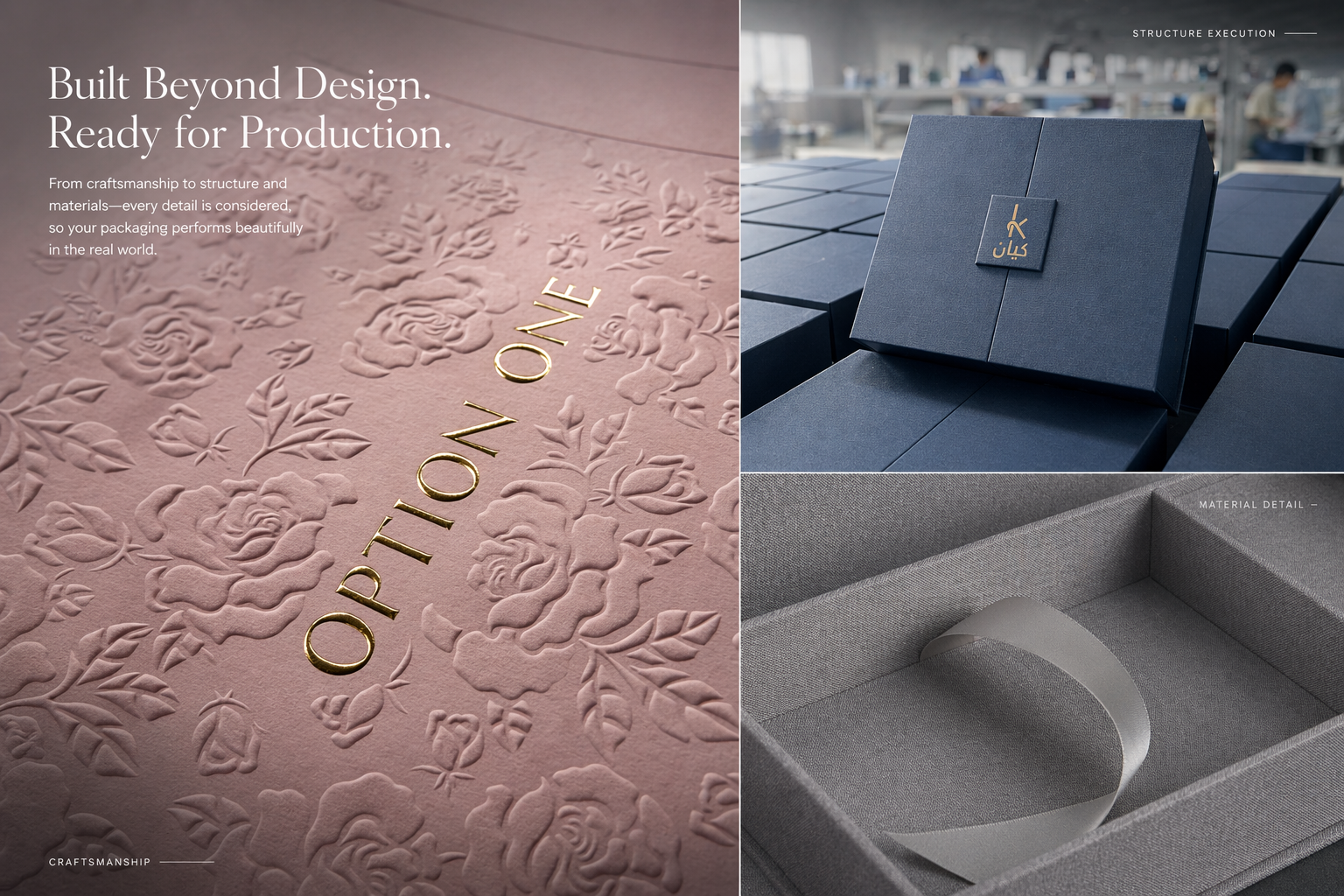
One of the biggest misunderstandings in custom packaging is assuming that a beautiful sample automatically means the project is ready for production. In reality, production readiness is a separate question.
A sample must not only look impressive. It must also be repeatable. Materials need to be stable and available. Structural details need to be manufacturable at scale. Decorative elements need to be controlled consistently. Assembly methods need to support both quality and efficiency.
This matters because the gap between sample quality and production quality can damage both timelines and brand perception. A luxury packaging concept only becomes commercially valuable when it can be produced reliably and consistently, not just once, but across the required order volume.
For brands sourcing custom rigid boxes or high-end gift packaging, this is one of the most important points to understand. A supplier should not only know how to make a strong sample. They should also know how to make that sample production-ready.
Moving from Approved Sample to Mass Production
Once the sample is approved, the project moves into the production preparation stage. This transition is where development discipline becomes especially important.
At this point, materials are confirmed, construction details are fixed, production methods are aligned, and the schedule is planned around quantity and delivery requirements. Quality checkpoints also become more important, especially for projects involving precise inserts, decorative details, mixed materials, or premium finishing.
From here, the focus shifts from exploration to consistency. The goal is no longer to test possibilities, but to reproduce the approved result as accurately as possible across the production run. For this reason, communication and technical control are essential between the approved sample stage and mass production execution.
The smoother this transition is, the more reliable the final result will be.
What Brands Should Expect from a Reliable Packaging Partner?
When developing custom packaging, brands should look for a partner that can support more than quotation and production alone. The right packaging supplier should be able to guide the project through structural planning, sampling, revision, and production execution with practical and realistic support.
For beauty and fragrance brands, this means working with a supplier that understands how packaging needs to perform on multiple levels. It must communicate brand value, protect the product, deliver a satisfying user experience, and remain feasible in real production conditions.
A reliable packaging partner should be able to:
understand the brief clearly and translate it into workable packaging direction
support structural development instead of only surface decoration
recommend suitable materials and finishes based on both design and feasibility
manage revisions efficiently during the sampling stage
maintain consistency from approved sample to mass production
These capabilities matter because packaging development is not just about making something attractive. It is about creating a solution that works commercially, operationally, and visually at the same time.
Final Thoughts
A successful custom packaging project is not defined by one attractive sample alone. It depends on a development process that connects concept, structure, materials, revisions, and manufacturing execution from the very beginning.
From sampling to production, every stage plays a role in shaping the final result. When the process is handled well, brands gain more than packaging. They gain a solution that supports presentation, protects the product, reflects the brand clearly, and performs consistently in the market.
At Senlarry Packaging, we support custom packaging development for beauty, fragrance, and premium consumer brands from sampling to production, helping turn creative ideas into packaging solutions that are both refined and commercially workable.
 Hot News

 EN
EN