Sustainability should not weaken the way your packaging looks, feels, protects, or performs.
At Senlarry Packaging, we help premium brands develop paper-based packaging solutions with more responsible material choices, clearer sourcing visibility, and production-ready execution.
Sustainability Is Not a Decoration. It Has to Work in Production.
For premium packaging, sustainability is not just about choosing a greener material. It affects structure, finishing, inserts, durability, sourcing, compliance, and production consistency.
A responsible packaging solution still needs to protect the product, support the brand image, and remain stable from sample approval to mass production.
That is why we look at sustainable packaging as a full development process — not a single material claim.
From Responsible Materials to Production-Ready Packaging
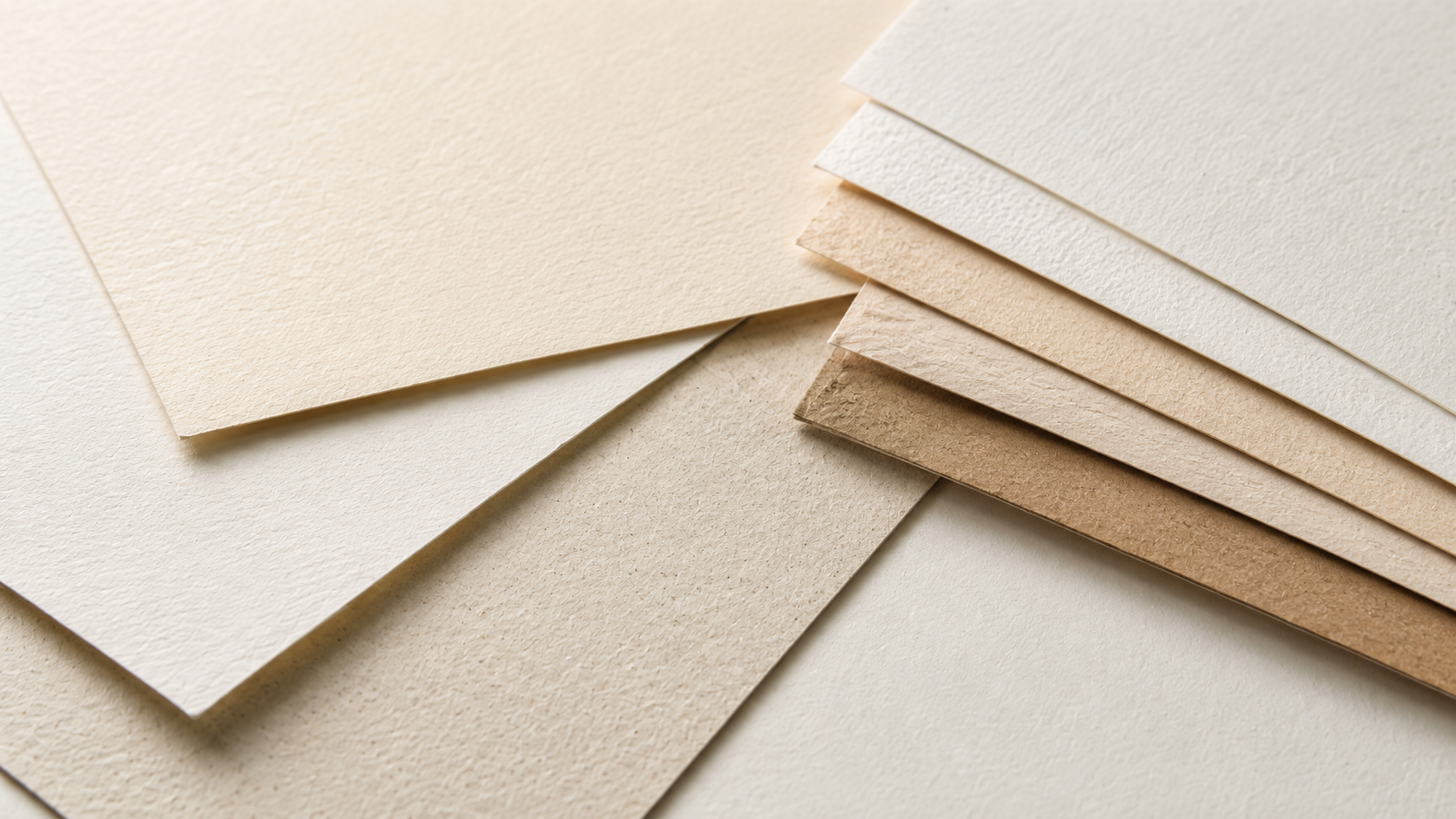
We support packaging projects that require clearer material visibility, from paperboard selection to sourcing documentation and project-specific material choices.
We help brands explore FSC-certified paper, recycled paperboard, and more responsible alternatives based on product positioning, budget, structure, and market requirements.
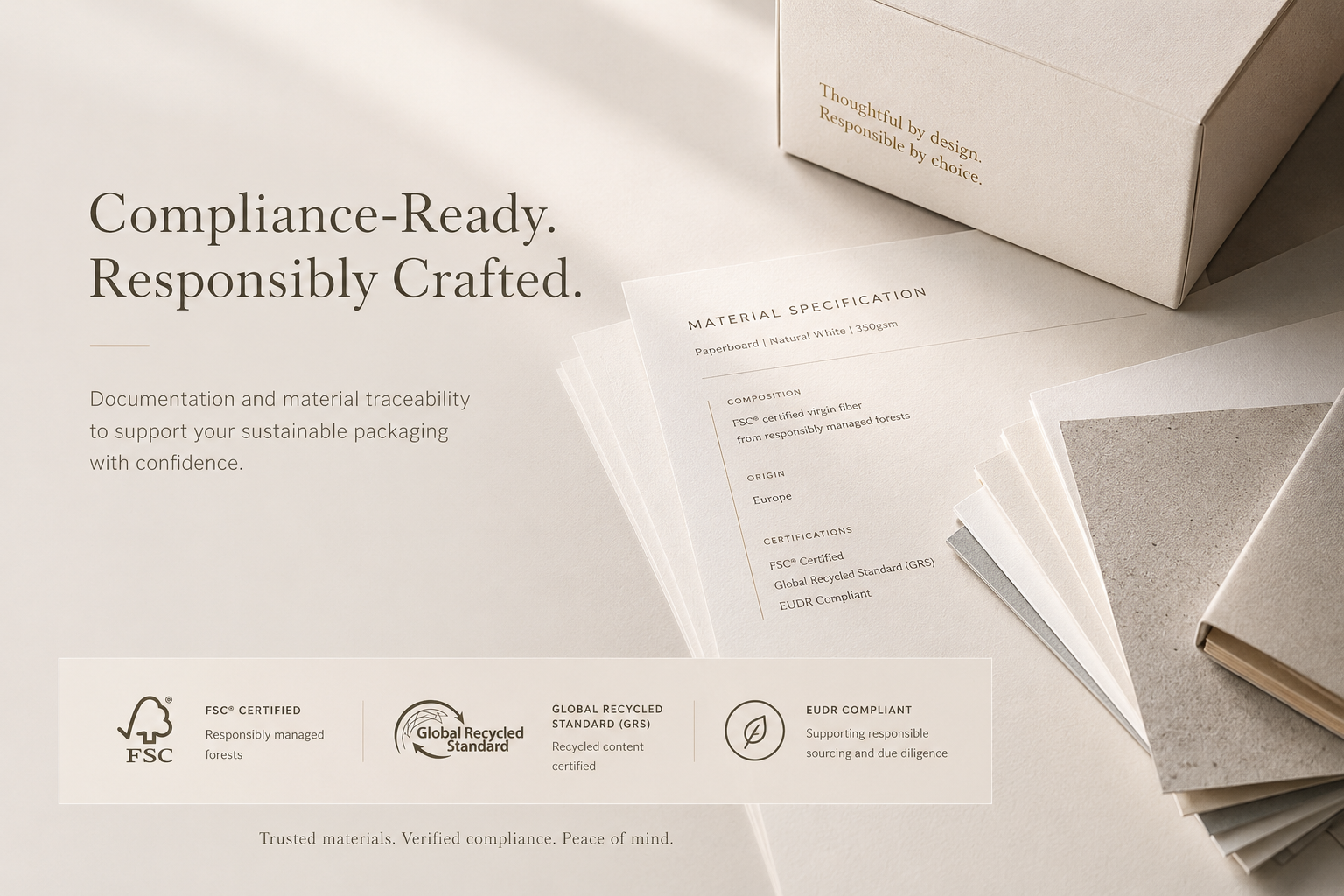
For brands facing FSC, GRS, EUDR-related, or retailer-specific requirements, we help align material options, documentation needs, and packaging feasibility early in the project.

More Responsible Materials, Chosen for the Right Packaging Purpose
Different packaging projects need different material strategies. A beauty PR kit, a fragrance gift box, a wine presentation box, and an e-commerce-ready folding carton will not use the same structure or material logic.
We help brands choose materials based on sustainability goals, product protection, visual quality, and production feasibility.
FSC-Certified Paper & Paperboard
For brands that require responsibly sourced paper materials and clearer supply chain accountability.
Recycled Paperboard
A practical option for brands looking to reduce virgin material use while maintaining structure and presentation quality.
Paper-Based Inserts
Cardboard, molded pulp, or paper-wrapped inserts can be developed as alternatives to certain plastic-based insert solutions.
Specialty Paper with Responsible Sourcing
Textured paper, colored paper, and premium wrapping papers can be selected with both visual impact and sourcing requirements in mind.
Reduced-Plastic Packaging Structures
Where possible, we help brands reduce unnecessary plastic components through smarter paper engineering and insert design.
Packaging Designed for Disassembly
For selected projects, we can explore structures that make material separation easier after use.
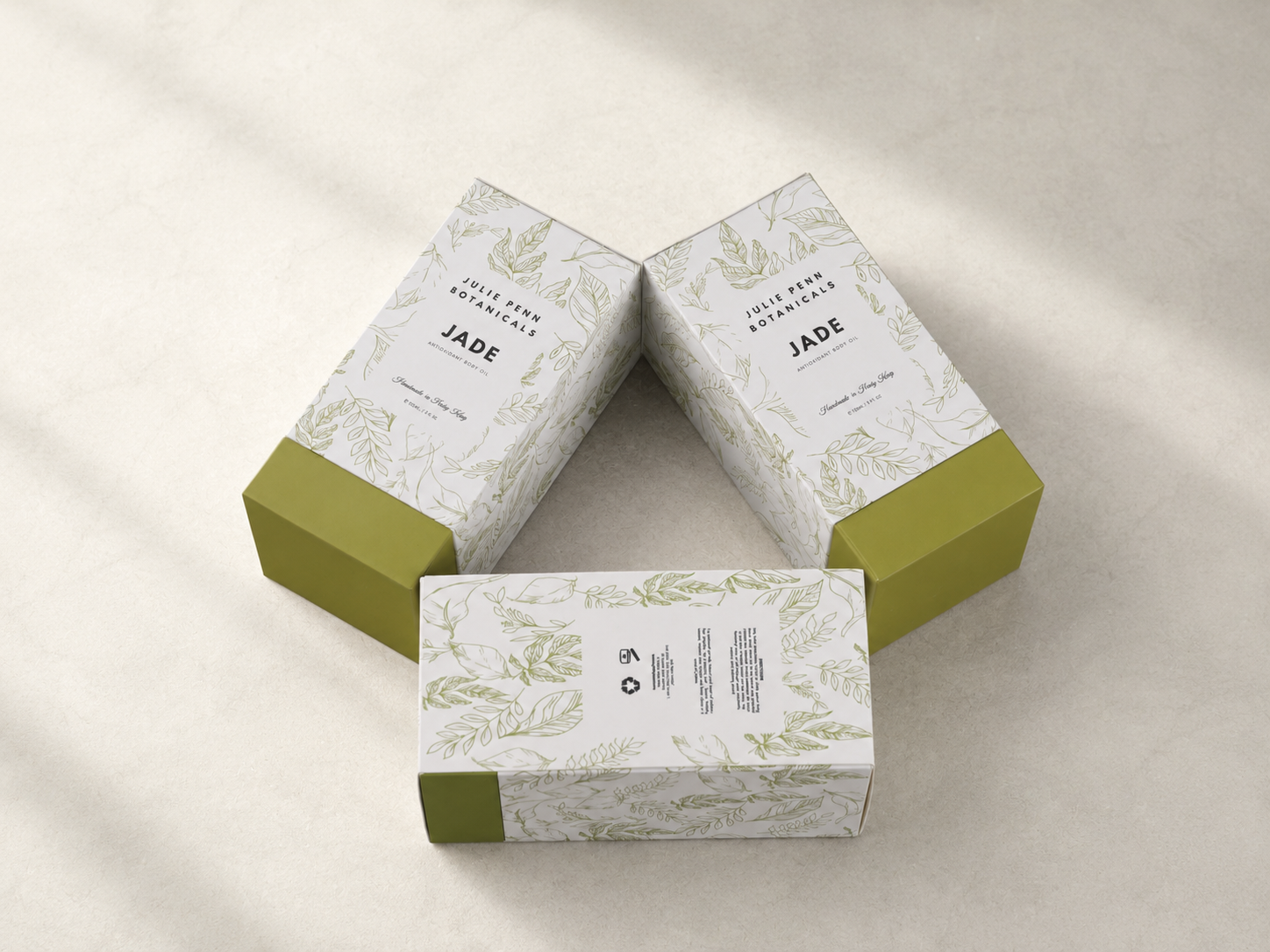
For premium brands, sustainability cannot come at the cost of brand experience.
The packaging still needs to feel considered, precise, and desirable. The material should support the brand story. The structure should open smoothly. The finishing should feel intentional. The insert should hold the product properly. The final packaging should still look like something worth keeping.
That is the balance we help brands develop: more responsible packaging choices without losing the premium feel.
Material Feel
Paper texture, thickness, rigidity, and surface touch all influence perceived value.
Structural Strength
Sustainable packaging still needs to protect the product through handling, display, and shipping.
Finishing Compatibility
Foil stamping, embossing, debossing, printing, coating, and lamination choices need to work with the selected material.
Sustainable Packaging for Premium Product Categories
We support sustainable and traceable packaging development across premium product categories where presentation, protection, and brand trust all matter.
Paper-based rigid boxes, folding cartons, PR kits, and gift sets designed for visual impact and responsible material choices.
Premium skincare boxes with structured inserts, refined finishes, and material options suited for retail and gifting.
Gift boxes, book-style boxes, and limited-edition fragrance sets developed with both ceremony and material responsibility in mind.
Rigid boxes, drawer boxes, and presentation kits designed to protect bottles while supporting premium shelf and gifting appeal.
Clean, credible packaging solutions for supplements, wellness products, and personal care brands requiring stronger trust signals.
Protective and refined paper-based packaging structures for high-value electronic products and accessories.
Support for Brands with Material and Traceability Requirements
Sustainability claims need to be handled carefully. For international brands, material choices often need to align with retailer requirements, market regulations, internal ESG goals, or brand-level sourcing standards.
We help clients review packaging requirements early, so material selection, structure development, supplier documentation, and production planning are considered before the project moves too far.
FSC-related paper sourcing support
For projects requiring responsibly sourced paper and chain-of-custody-related documentation.
GRS-related material support
For projects involving recycled material requirements and related documentation needs.
EUDR-related traceability support
For brands that need clearer visibility around paper sourcing and market compliance direction.
Project-specific document coordination
We help align available material documents with client requirements before production.
A Clearer Process for Sustainable Packaging Development
Understand the Packaging Requirement
We review the product type, market, packaging structure, sustainability goals, and any certification or documentation requirements.
Recommend Suitable Material Options
We suggest paperboard, wrapping paper, inserts, finishes, and structural approaches based on both sustainability and production feasibility.
Develop Structure and Sample
Our team develops the packaging structure and sample, checking material behavior, opening experience, insert fit, and finishing performance.
Review Before Production
Before mass production, we review key details including color, material, finish, structure, insert, and consistency risks.
Move into Controlled Production
Once approved, the project moves into production with quality control focused on consistency, detail, and final packaging performance.
Yes. Premium appearance depends on material selection, structure, surface finish, color control, and production accuracy. Sustainable packaging does not need to look rough or basic when it is developed properly.
In many cases, yes. Paperboard inserts, molded pulp, and paper-wrapped structures can be explored depending on the product weight, protection needs, display angle, and budget.
We can support EUDR-related traceability discussions for paper-based packaging projects and help coordinate available material information with client requirements
As early as possible. Material and compliance requirements can affect structure, sourcing, lead time, cost, and finishing choices. Discussing them early reduces later revisions.
Yes. FSC-certified paper and paperboard options can be used for many rigid box, folding carton, and gift box projects, depending on availability, structure, and finishing requirements.
It can. Recycled paper may behave differently in printing, foil stamping, embossing, lamination, or color matching. That is why testing and sampling are important before production.
Sometimes, but not always. Cost depends on the material, certification requirement, structure, finishing, MOQ, and documentation needs. The right solution should balance brand goals, compliance needs, and production budget.

 EN
EN