
 EN
EN
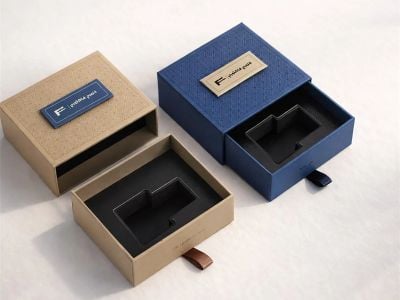
OEM vs. ODM Packaging Which Solution Is Best for Your Brand?
Choosing the right packaging strategy is essential for building a strong brand identity and delivering a great customer experience. Two of the most common manufacturing models are OEM (Original Equipment Manufacturer) and ODM (Original Design Manufacturer). While both can help businesses launch and grow products, they serve different purposes. At Senlarry Packaging, we provide both OEM and ODM packaging solutions to help brands of all sizes develop high-quality, customized packaging that supports their business goals. Understanding the differences between these two services will help you choose the solution that best fits your brand.
How OEM and ODM Solutions Can Elevate Your Brand’s Packaging Strategy?
OEM and ODM packaging each offer unique advantages depending on your business stage and product requirements. OEM (Original Equipment Manufacturer) services allow you to provide your own packaging design, specifications, materials, and branding. The manufacturer produces the packaging exactly according to your requirements. This option is ideal for businesses that already have an established brand identity and want complete control over the appearance and functionality of their packaging. For example, if your company has designed a unique beverage bottle, luxury gift box, or cosmetic package, Senlarry Packaging can manufacture it according to your exact specifications while maintaining consistent quality throughout production. ODM (Original Design Manufacturer) services combine design and manufacturing. Instead of starting from scratch, businesses can select from existing packaging designs or customize proven templates. This solution is especially valuable for startups, small businesses, or companies launching new products quickly.
If you need attractive snack boxes, cosmetic cartons, or retail pr packaging boxes but don't have an in-house design team, ODM packaging provides professional designs that can be customized with your logo, colors, and branding. Both solutions help strengthen your brand, but they serve different needs. OEM offers maximum customization and exclusivity, while ODM provides faster development, lower costs, and shorter production timelines.
Where to Find the Best OEM and ODM Packaging Services for Your Business?
Finding the right packaging partner is just as important as choosing between OEM and ODM manufacturing. A reliable supplier should have extensive industry experience, strong manufacturing capabilities, and a proven reputation for quality. Companies like Senlarry Packaging offer complete packaging solutions that include product development, structural design, printing, manufacturing, and quality control. Before selecting a supplier, review their portfolio to evaluate the quality and variety of previous projects. Experienced manufacturers can demonstrate successful packaging solutions across multiple industries, including food, cosmetics, electronics, retail products, and consumer goods. It's also important to evaluate the materials used during production. High-quality paper, cardboard, specialty coatings, and environmentally friendly materials help improve both product protection and brand perception. Communication is another key factor. The best personalized packaging boxes partners provide regular updates throughout the project, answer questions promptly, and collaborate closely with clients from concept development through final production. Finally, consider after-sales support, production capacity, delivery schedules, and customization capabilities. A dependable packaging manufacturer should be able to grow alongside your business while maintaining consistent quality.
How to Choose Between OEM and ODM Packaging for Your Brand?
Choosing between OEM and ODM packaging depends on your business objectives, budget, timeline, and branding strategy. OEM packaging is the better choice if your company already has a well-developed brand identity and wants completely customized packaging. This option allows full control over structural design, printing, materials, finishes, and branding elements. Although OEM projects typically require more development time and a larger investment, they help create distinctive packaging that strengthens brand recognition.
ODM packaging is ideal for businesses that need faster product launches or have limited design resources. Since the manufacturer already has professionally developed box packaging custom concepts, businesses can significantly reduce development time while lowering design costs. Minor customizations such as logos, colors, graphics, and labels still allow brands to personalize their packaging. Businesses introducing premium products or building a luxury brand often benefit from OEM customization, while startups and companies testing new product categories frequently choose ODM solutions for their speed and affordability. Working with an experienced supplier like Senlarry Packaging makes it easier to evaluate both options and select the solution that best supports your long-term business strategy.
What Wholesale Buyers Need to Know About OEM and ODM Packaging?
Wholesale buyers should carefully compare OEM and ODM services before placing large production orders. OEM packaging provides exclusive packaging designs that differentiate products from competitors. Custom structures, premium printing, and unique finishes can enhance shelf appeal and improve customer recognition. However, OEM projects generally involve higher tooling costs, longer development periods, and larger minimum order quantities. ODM packaging offers several advantages for wholesale buyers focused on efficiency. Existing packaging designs reduce development costs and shorten manufacturing lead times. This allows businesses to introduce products more quickly while minimizing upfront investment. Budget, production schedules, target markets, and branding objectives should all influence the final decision. Buyers should also discuss minimum order quantities, production capacity, packaging certifications, quality control procedures, and shipping timelines with their supplier before committing to a manufacturing agreement.
Clear communication with an experienced packaging company such as Senlarry Packaging helps ensure the final product meets both business and customer expectations.
How OEM and ODM Packaging Affect Your Brand's Market Position?
Packaging plays a significant role in how customers perceive your brand and influences purchasing decisions. OEM packaging helps establish a distinctive brand identity by creating unique visual elements that customers recognize immediately. Custom packaging enhances product value, increases shelf visibility, and supports long-term brand loyalty. Premium packaging also creates a stronger un boxing experience, encouraging repeat purchases and positive customer reviews. ODM packaging offers practical advantages by allowing businesses to enter the market more quickly and economically. While ODM designs may be shared across multiple brands, thoughtful customization through logos, graphics, color schemes, and finishes can still create a professional appearance that appeals to customers. For businesses focused on rapid expansion, ODM provides an efficient path to market. For brands seeking premium positioning and long-term differentiation, OEM offers greater creative flexibility and stronger brand recognition. At Senlarry Packaging, we help businesses evaluate their goals, budgets, and timelines to determine whether OEM or ODM packaging provides the greatest competitive advantage. By selecting the right packaging solution, companies can strengthen their market presence, improve customer satisfaction, and support sustainable business growth.
Table of Contents
- OEM vs. ODM Packaging Which Solution Is Best for Your Brand?
- How OEM and ODM Solutions Can Elevate Your Brand’s Packaging Strategy?
- Where to Find the Best OEM and ODM Packaging Services for Your Business?
- How to Choose Between OEM and ODM Packaging for Your Brand?
- What Wholesale Buyers Need to Know About OEM and ODM Packaging?
- How OEM and ODM Packaging Affect Your Brand's Market Position?