
 EN
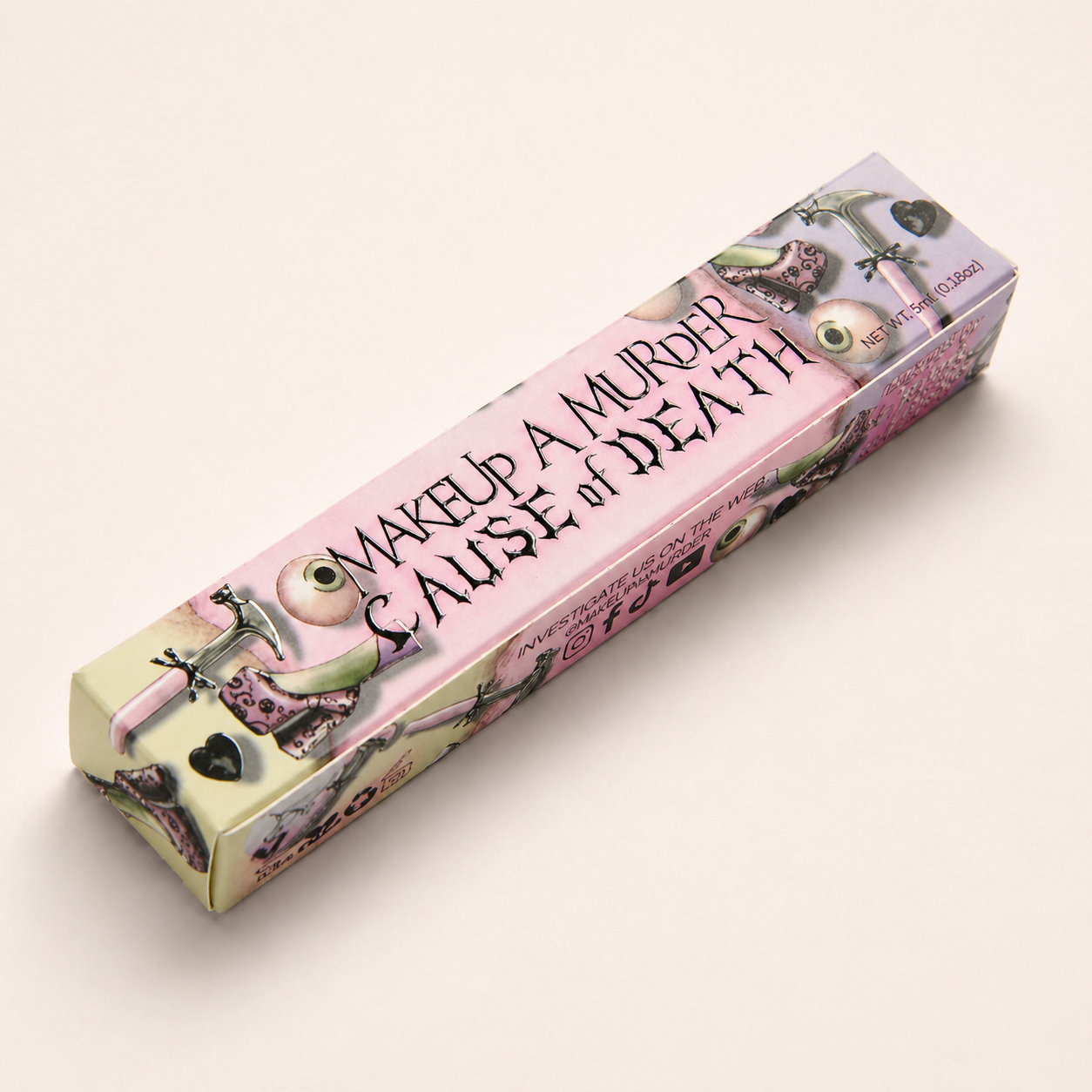
Folding cartons and rigid boxes are two popular packaging options in the beauty, fragrance, and skincare sectors. Each serves distinct purposes based on cost, protection, and applications. This article will explore the key specifications of folding cartons and rigid boxes, helping B2B buyers make informed decisions based on their project needs. Key considerations include material selection, manufacturing capabilities, and the specific requirements of your products.
Key Specifications for Folding Cartons vs Rigid Boxes in Manufacturing
When comparing folding cartons to rigid boxes, several specifications dictate their suitability for various applications.
Folding cartons are typically made from paperboard, which is lightweight yet sturdy. They can be easily printed on and customized, making them ideal for vibrant branding. Common specifications for folding cartons include:
Thickness: Usually ranges from 12pt to 24pt, impacting durability and print quality.
Material: Often made from SBS (Solid Bleached Sulfate) or CRB (Clay Coated Recycled Board).
Closure Type: Options include tuck-in flaps, locks, and seals, allowing for flexibility in design and functionality.
Rigid boxes, on the other hand, are constructed from thicker board, providing enhanced structural integrity. Key specifications include:
Thickness: Typically starts at 30pt and can go up to 60pt or more, providing superior protection.
Material: Often made from chipboard or high-density paperboard, offering a premium feel.
Customization Options: Can include unique shapes, magnetic closures, and luxury finishes.
Understanding these specifications is crucial for buyers to ensure that the chosen packaging meets both aesthetic and functional requirements.
How to Choose Between Folding Cartons and Rigid Boxes for Projects
Selecting the right packaging solution often hinges on several factors: budget, product type, and the intended market.
Budget: Folding cartons are generally more cost-effective due to lower material costs and shorter production times. They are suitable for high-volume orders where cost per unit is crucial. Rigid boxes, while more expensive, offer a premium presentation and durability that can justify their higher price, especially for luxury brands.
Product Type: If your product is lightweight and does not require extensive protection, folding cartons are sufficient. However, for heavier items or products that need enhanced protection during shipping and display, rigid boxes are preferable.
Market Positioning: For luxury brands, the tactile experience and visual appeal of rigid boxes can enhance the perceived value of the product, making them a worthwhile investment. In contrast, folding cartons may be more appropriate for everyday products that prioritize cost efficiency.
By considering these factors, buyers can better align their packaging choice with their project objectives.
Folding Cartons vs Rigid Boxes in Bulk Orders
When it comes to bulk orders, understanding the production and logistical implications of both packaging types becomes essential.
Folding carton packaging often have lower minimum order quantities (MOQs), making them a viable option for smaller brands or limited product launches. Their lighter weight also translates to lower shipping costs, which is advantageous for bulk orders.
Rigid boxes typically require higher MOQs due to the more complex manufacturing process, which can include die-cutting and assembly. This higher MOQ can be a barrier for smaller companies but offers significant advantages for brands looking to create a strong impression with large volumes.
In terms of lead time, folding cartons can often be produced faster than rigid boxes, allowing for quicker turnaround times on orders. However, if a brand is aiming for a luxurious presentation, the investment in rigid boxes may yield a better long-term return despite the longer production time.
Understanding the Protection Levels of Folding Cartons and Rigid Boxes
Protection is a critical concern for any packaging solution, particularly in the beauty and skincare sectors where products can be fragile.
Folding cartons provide a moderate level of protection suitable for light to medium-weight products. Their design can include inserts and partitions to help maintain product integrity during transit. However, they are not as robust against impacts and may not withstand heavy stacking.
Rigid boxes excel in providing superior protection due to their sturdier construction. They are designed to resist crushing and offer better protection against moisture and environmental damage. This level of protection is especially important for high-end products that must arrive intact and ready for display.
When selecting packaging, consider the nature of your product and the conditions it will face during shipping and storage. Rigid boxes may be more suitable for products with a higher risk of damage.
Best Applications for Folding Cartons and Rigid Boxes in Various Industries
The applications for folding cartons and rigid boxes vary widely across different industries, particularly in beauty, fragrance, and skincare.
Folding cartons are widely used for items such as skincare creams, makeup, and personal care products. Their customizable nature allows brands to create eye-catching designs while remaining cost-effective. They are also used for secondary packaging, such as holding multiple items or providing additional branding.
Rigid boxes are often employed for luxury fragrances, high-end skincare products, and gift sets. Their premium feel and durability enhance the un-boxing experience, making them ideal for products that command a higher price point. Additionally, they can be designed for reuse, adding value for consumers who appreciate sustainable packaging solutions.
The choice between folding carton boxes and rigid boxes depends on various factors including cost, product protection, and application needs. Evaluating these aspects will enable B2B buyers to select the packaging solution that best aligns with their brand's strategy and customer expectations.
Table of Contents
- Key Specifications for Folding Cartons vs Rigid Boxes in Manufacturing
- How to Choose Between Folding Cartons and Rigid Boxes for Projects
- Folding Cartons vs Rigid Boxes in Bulk Orders
- Understanding the Protection Levels of Folding Cartons and Rigid Boxes
- Best Applications for Folding Cartons and Rigid Boxes in Various Industries