
 EN
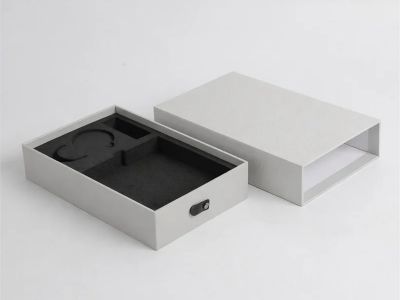
Custom packaging inserts play a vital role in ensuring products are well-protected and presented, particularly in high-end markets like beauty, fragrance, and skincare. This guide focuses on evaluating options such as paperboard, molded pulp, EVA, or foam for custom packaging inserts. It addresses key concerns for B2B buyers, such as material quality, supplier reliability, common issues, and best installation practices, empowering purchasing managers and product managers to make informed decisions.
How to Evaluate Quality in Custom Packaging Insert Materials?
When selecting materials for custom packaging inserts, quality is paramount. Consider the following attributes:
Material Properties: Each material offers distinct benefits. Paperboard is eco-friendly and customizable for branding, while molded pulp provides excellent cushioning and is biodegradable. EVA foam is lightweight and offers superior protection, making it ideal for delicate items. Assess the specific needs of your product, such as weight, fragility, and shelf life.
Durability and Performance: The insert material should withstand transportation and handling without compromising product safety. Evaluate factors like puncture resistance, compression strength, and moisture resistance. For instance, if your product is sensitive to humidity, selecting a moisture-resistant material is crucial.
Surface Finish and Aesthetics: The visual appeal of the insert can enhance the overall packaging. Consider materials that allow for printing or embossing to align with your brand image. A high-quality finish can also elevate the perceived value of your product.
Compliance and Certifications: Ensure the paper gift box materials meet relevant industry standards. For beauty and skincare packaging, materials should be non-toxic and safe for consumer use. Ask suppliers for documentation to confirm compliance with safety regulations.
Investing time in evaluating these aspects will help you select the most suitable material for your custom packaging inserts, ensuring the right balance of aesthetics, protection, and sustainability.
Where to Source Reliable Suppliers for Custom Packaging Inserts?
Sourcing reliable suppliers is essential for a smooth purchasing experience. Here are practical steps to identify trustworthy partners:
Industry Research: Start by researching companies specializing in packaging for the beauty, fragrance, and skincare sectors, like Senlarry Packaging. Look for suppliers with a proven track record in producing high-quality custom inserts.
Supplier Reviews and References: Check online reviews and request references from previous clients to gauge the supplier’s reliability and quality of service. Direct feedback from other businesses can provide valuable insights into the supplier's capabilities.
Certifications and Standards: Ensure potential suppliers possess relevant certifications, such as ISO 9001 for quality management. This indicates a commitment to maintaining high production standards.
Sampling Process: Ask suppliers for samples before placing large orders. This allows you to evaluate the material quality, production consistency, and how well the inserts fit your product.
Communication and Responsiveness: Assess how responsive the supplier is to your inquiries. Quick and clear communication can indicate a supplier's dedication to customer service and problem-solving.
By following these steps, you can identify reputable suppliers who align with your quality standards and business needs.
Common Problems with Custom Packaging Inserts and Solutions
Understanding potential issues with custom packaging inserts can help you mitigate risks. Here are common challenges and their solutions:
Poor Fit: Inserts that do not fit the product securely can lead to damage during transit. To avoid this, provide precise product dimensions and specifications when discussing designs with your supplier. Consider using prototypes to test the fit before mass production.
Material Failures: Some materials may not provide adequate protection. For instance, foam can compress over time, losing its cushioning ability. To address this, select high-quality materials and conduct tests under actual conditions to ensure they meet the performance requirements.
Production Delays: Delays can occur due to miscommunication or unforeseen circumstances. Establish clear timelines and maintain regular communication with your supplier to monitor progress. Having contingency plans in place can also help manage unexpected delays.
Design Changes: Changes in product design can affect the custom pr boxes functionality of inserts. Ensure your supplier is flexible and can accommodate design changes without significant delays or cost increases. Regularly review designs during the process to catch any necessary adjustments early.
By anticipating these challenges and implementing solutions, you can enhance the efficiency of your custom packaging insert production.
How to Install Custom Packaging Inserts for Maximum Efficiency?
Proper installation of custom packaging inserts is crucial for product safety and presentation. Here are best practices to ensure efficiency:
Pre-Assembly Checks: Before installation, inspect the inserts for any defects or inconsistencies. Ensure that they conform to the approved samples. Any discrepancies should be addressed before proceeding with assembly.
Training and Guidelines: If you have a team responsible for packaging, provide clear guidelines on how to install the inserts. Training sessions can help familiarize them with the process, reducing errors and improving efficiency.
Use of Automation: Consider automating the installation process if handling large volumes. Automated systems can increase speed and accuracy, ensuring consistent placement of inserts.
Quality Control: Implement a quality control check after installation to ensure that the pr package boxes product is securely held in place and that the packaging meets your aesthetic standards. Regular audits can help maintain consistency over time.
By focusing on these installation practices, you can enhance the overall effectiveness of your packaging process and ensure that products arrive safely at their destination.
Key Insights
Selecting the right custom packaging inserts involves careful consideration of materials, supplier reliability, common challenges, and installation practices. As a B2B buyer, keeping these factors in mind will help you make informed decisions that align with your product needs and brand values.
Prioritize material selection based on product protection and brand presentation, source suppliers with a solid reputation in the industry, and be prepared to tackle potential issues proactively. By implementing efficient installation processes, you can enhance product safety and maintain the high standards expected in the beauty, fragrance, and skincare sectors.